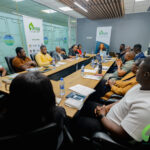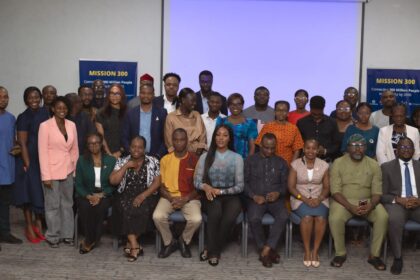

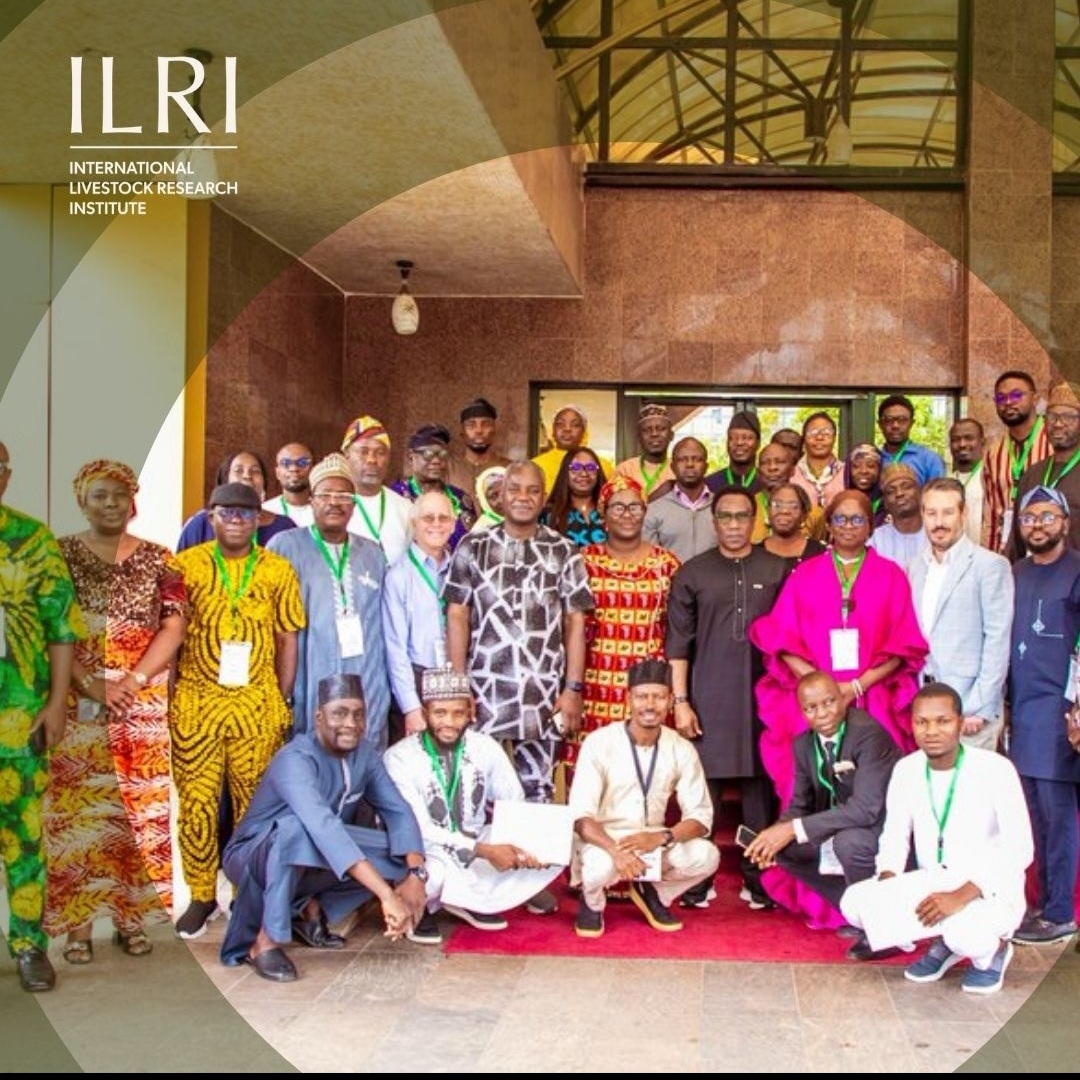
Abuja, Nigeria — Thirty-nine master trainers have completed a two-week Training of Trainers programme designed to strengthen the capacity of agricultural extension professionals to help farmers respond to climate risks.
The training focused on the new Climate Risk Management in Agricultural Extension (CRMAE) curriculum, which is designed to equip extension professionals with practical knowledge and tools to translate climate information into agricultural decisions.
The initiative was led by the International Livestock Research Institute (ILRI) in partnership with the Nigerian Meteorological Agency (NiMet) and other key stakeholders.
The training brought together university lecturers, agricultural extension professionals and technical experts who are expected to cascade the curriculum to extension agents and other agricultural practitioners across Nigeria.
Climate information can only support farmers when it is communicated in a form they can understand and apply. Agricultural extension agents therefore play a critical role in helping smallholder crop and livestock farmers interpret seasonal forecasts and make decisions on what to plant, when to plant and how to manage climate-related risks.
The CRMAE curriculum is designed around this critical link between climate information and agricultural decision-making. Similar CRMAE programmes developed through the Accelerating Impacts of CGIAR Climate Research for Africa (AICCRA) have focused on strengthening extension providers’ ability to integrate climate services into their work with farmers.
Curriculum to reach universities and extension networks
Following the training, stakeholders have developed an implementation roadmap aimed at ensuring that the knowledge does not remain with the 39 master trainers but is institutionalised and made accessible to agricultural professionals across the country.
Under the roadmap, NiMet is expected to publish the CRMAE reference guide in hard copy for use by government institutions, non-governmental organisations and other organisations working with farmers.
The National Universities Commission (NUC) is expected to support efforts to mainstream the curriculum into academic institutions as part of undergraduate and graduate programme accreditation.
The plan also includes the digitalisation of the curriculum by Extension Africa, with the objective of expanding access to the extensive networks of agricultural extension agents working at the last mile.
Strengthening climate-smart agriculture
The initiative comes at a time when climate variability and extreme weather events are increasingly challenging agricultural production and rural livelihoods across Africa.
For smallholder farmers, timely and usable climate information can help reduce uncertainty and support decisions around planting, livestock management, pest control and other farm activities.
The CRMAE approach provides training on climate fundamentals, available climate information products and tools, climate-sensitive agricultural decisions and the integration of climate services into agricultural extension.
The approach has also been adapted and implemented in other African countries, demonstrating growing efforts to strengthen agricultural extension systems as a pathway for delivering climate information to farmers. In Rwanda, for example, a similar master-trainer programme was designed to support the integration of climate services into extension and advisory services.
From master trainers to farmers
The success of the Nigerian programme will ultimately depend on how effectively the 39 master trainers transfer their knowledge to extension professionals and, ultimately, to farmers.
The implementation roadmap is therefore intended to create a multiplier effect: a relatively small group of trained experts can help build the capacity of a much larger network of extension agents who interact directly with farming communities.
For Nigeria, strengthening this last-mile connection could help ensure that climate information moves beyond meteorological institutions and research centres and becomes a practical tool for agricultural decision-making.
The partners behind the initiative say the programme represents an important step towards building more climate-resilient agricultural systems in Nigeria and across Africa.
The new master trainers are expected to play a central role in ensuring that the CRMAE curriculum is integrated into education, extension services and wider agricultural practice, helping farmers turn climate information into decisions that protect livelihoods, improve productivity and strengthen resilience.
Source: www.climatewatchonline.com