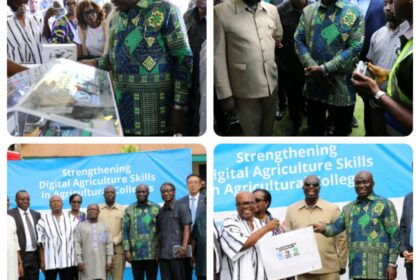

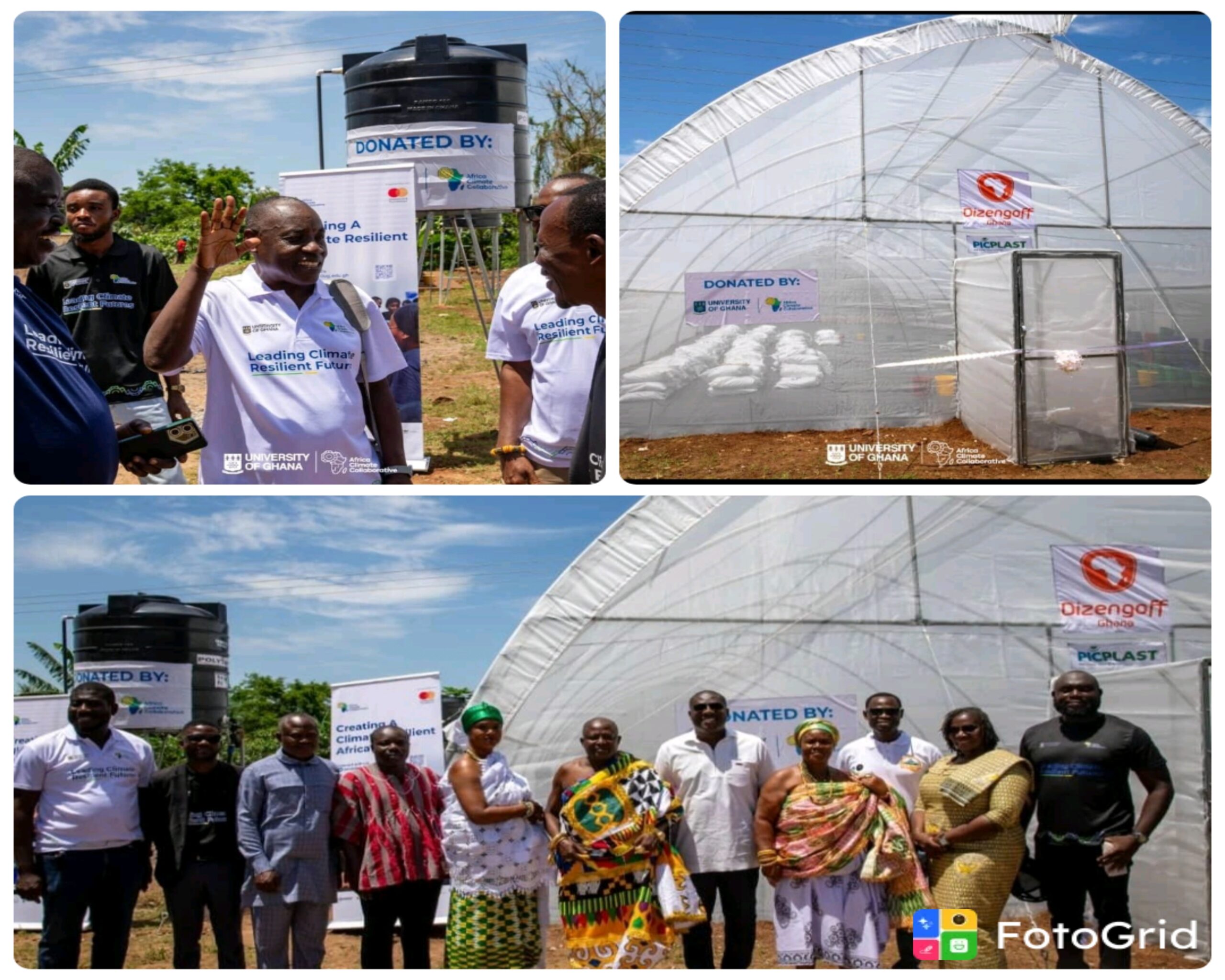
Mampong-Akuapem, Eastern Region — A new greenhouse facility at the Mampong-Akuapem Senior Technical High School for the Deaf is advancing inclusive climate education by equipping Deaf students with practical skills in sustainable agriculture, climate adaptation, and green enterprise development.
The project, implemented by the Africa Climate Collaborative at the University of Ghana in partnership with Mastercard Foundation, was commissioned as part of activities marking World Environment Day 2026.
Officials say the initiative is designed not only to promote climate-smart agriculture but also to ensure that students who are Deaf and persons with disabilities are fully included in climate action and skills development programmes, an area often overlooked in environmental and agricultural training initiatives.
Inclusion at the Centre of Climate Action
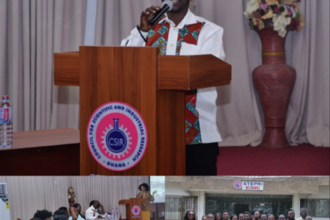
Speaking at the commissioning, Member of Parliament for Akuapem North, Hon. Sammi Awuku, said climate action must be inclusive and accessible to all, including learners with disabilities.
He said the establishment of the greenhouse in a school for the Deaf sends a strong message that no child should be left behind in climate education or opportunity.
“No child should be left behind and nobody should be left behind in the climate conversation,” he said.
He emphasized that inclusive climate programming must ensure that persons with disabilities are not only beneficiaries of education but also active participants in building climate resilience and sustainable livelihoods.
Skills Development for Deaf Students and Green Jobs
The greenhouse will provide Deaf students with hands-on training in greenhouse production, sustainable farming methods, and climate adaptation techniques.
Project implementers said the facility is designed to bridge the gap between disability inclusion and skills development, while preparing students for opportunities in the growing green economy.
They noted that equipping Deaf learners with practical agricultural and environmental skills will enhance employability and support long-term economic empowerment.
Linking Agriculture, Markets and Sustainability
Mr. Awuku also highlighted his Offia Market Initiative, which connects farmers directly to consumers while promoting climate-friendly agricultural practices.
He said the initiative supports sustainable production systems that improve food quality, strengthen livelihoods, and reduce environmental impact.
Climate Change and the Need for Urgent Action
The MP warned that climate change is already affecting agriculture in Ghana, citing shifting rainfall patterns and rising temperatures that are impacting food security and rural livelihoods.

He called for stronger enforcement of environmental regulations, including measures to address illegal construction in waterways and other practices that increase vulnerability to climate shocks.
Partnerships Driving Inclusive Climate Solutions
The Africa Climate Collaborative and the Mastercard Foundation were praised for supporting the initiative, which stakeholders say demonstrates how partnerships can advance both climate resilience and disability inclusion.
The greenhouse is expected to serve as a model for integrating inclusive education, climate-smart agriculture, and practical skills training, positioning Deaf students as active contributors to Ghana’s green economy.
Source: www.climatewatchonline.com