
Accra, Ghana – Agricultural Development and Food Systems Economist at the University for Development Studies, Professor Saa Dittoh, has cautioned against Ghana’s growing reliance on genetically modified organisms (GMOs), urging policymakers to prioritise agroecological farming systems and protect indigenous seed varieties.
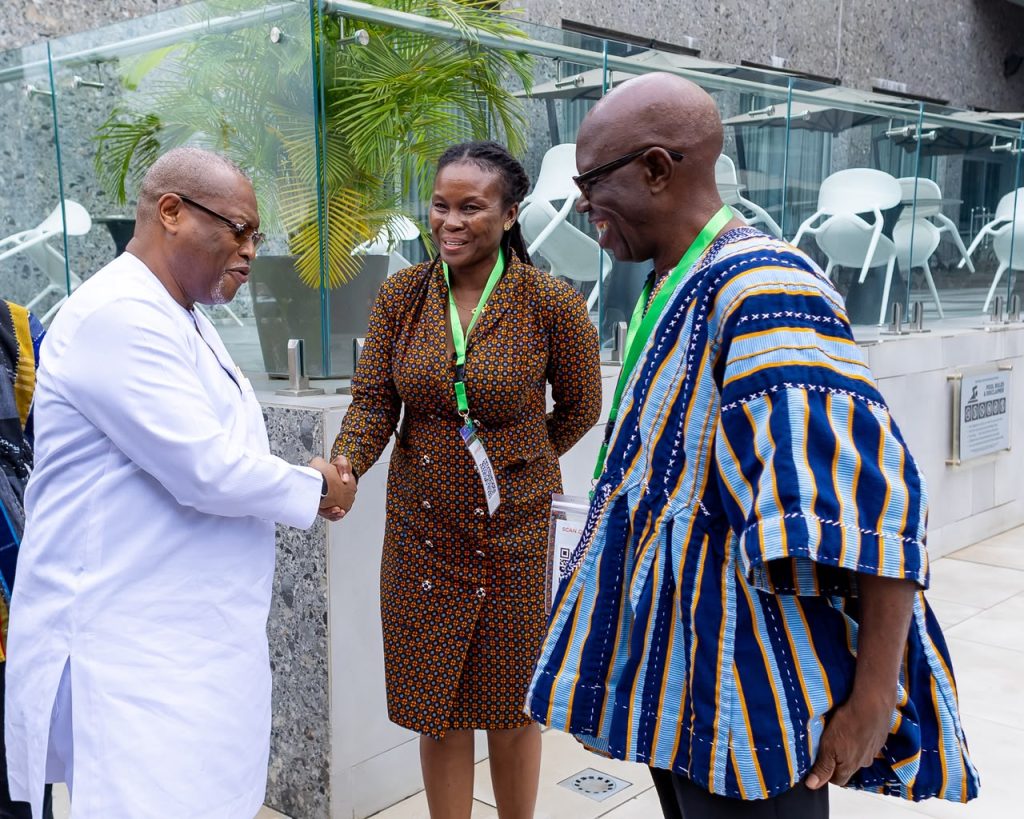
Speaking at the three-day CIRAWA Agroecology Conference in Accra, Prof. Dittoh questioned the need for Ghana to adopt genetically modified crops, arguing that the country already has sustainable, nature-based alternatives capable of improving agricultural productivity and food security.
“The question has always been why GMOs. We have alternatives, so why must we do it?” he asked.
He noted that while GMOs are often promoted as a solution to agricultural challenges, many countries, particularly in Europe, have adopted restrictive policies on their cultivation, raising questions about their long-term suitability.
Using beans as an example, Prof. Dittoh argued that Ghana has not experienced production shortages that would justify introducing genetically modified varieties. Instead, he warned that significantly increasing production without corresponding market demand could drive down prices and reduce farmers’ incomes.
The agricultural economist also expressed concern that foreign funding is increasingly shaping agricultural research priorities in developing countries.
According to him, limited domestic financing for research often leaves scientists dependent on externally funded projects, including those focused on GMOs, which can influence the direction of national agricultural research.
Prof. Dittoh further warned against replacing indigenous crop varieties with imported high-yielding seeds, saying the shift has contributed to the gradual loss of traditional varieties that are valued for their nutritional quality, taste and resilience.
Drawing on experiences from farming communities in the Volta Region, he said farmers have begun to regret abandoning local rice varieties in favour of improved high-yielding seeds after recognising the unique qualities of the indigenous crops.
“People are now beginning to realise they lost something valuable when they abandoned those traditional varieties,” he said.
He maintained that protecting indigenous seeds, restoring soil health and promoting agroecological farming practices offer a more sustainable pathway for Ghana’s food system than increasing dependence on genetically modified crops.
Prof. Dittoh urged policymakers to strengthen support for locally adapted seed systems and nature-based agriculture as part of efforts to enhance food security, conserve biodiversity and build climate-resilient farming systems across the country.
Source: www.climatewatchonline.com