
FREETOWN, Sierra Leone — Women in Sierra Leone’s climate-vulnerable communities are bearing disproportionate impacts of climate change while remaining largely excluded from decisions on climate policy and financing, climate researcher Dr. Patricia Jitta Abdulai has said.
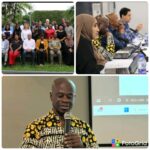
Speaking during a webinar on “Rethinking Climate Adaptation in Africa,” Dr. Abdulai drew on her research across some of Sierra Leone’s most climate-vulnerable communities to highlight the growing challenges facing women as climate impacts intensify.
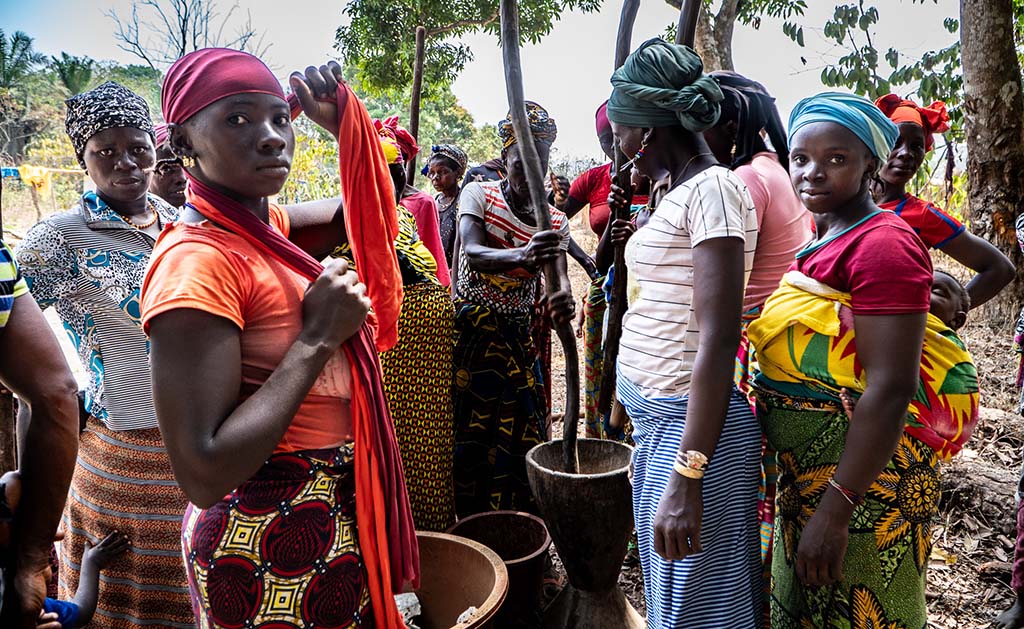
She said women are experiencing significant effects ranging from declining agricultural productivity and water insecurity to rising unpaid care responsibilities.
Despite being on the frontlines of climate impacts and observing changes in their communities season after season, women remain largely underrepresented in decisions concerning climate policies and financing, she noted.
According to Dr. Abdulai, this disconnect risks producing adaptation policies that fail to adequately reflect the realities and priorities of vulnerable communities.
Climate misinformation poses additional threat
Dr. Abdulai also identified climate misinformation as a growing challenge to effective climate adaptation in Sierra Leone and other African communities.
She warned that misinformation can weaken public trust in scientific evidence and make it more difficult for communities to respond effectively to climate risks.
It can also undermine indigenous knowledge systems that communities have traditionally used to understand environmental changes and develop local responses.
When reliable information is weakened, she said, much-needed policy action can be delayed, leaving vulnerable communities more exposed to climate impacts.
Women need greater role in climate decisions
The researcher’s observations highlight the importance of placing women at the centre of climate adaptation planning and implementation.
Women play critical roles in agriculture, household water management and caregiving, making their experiences and knowledge important to the design of effective adaptation measures.
Ensuring meaningful participation in climate governance and improving access to climate finance could help make adaptation investments more responsive to the needs of vulnerable communities.
The discussion also highlighted the importance of strengthening climate information systems and ensuring that scientific evidence and credible indigenous knowledge are effectively communicated to communities.
As climate risks continue to intensify across Africa, Dr. Abdulai’s findings point to the need for adaptation strategies that recognise women not only as among those most affected by climate change but also as important contributors to building resilient communities.
Source: www.climatewatchonline.com