
Kampala, Uganda — In many urban communities, waste is often viewed as an environmental and public health burden. But in Kamwokya, one of Kampala’s densely populated informal settlements, a different story is unfolding — one where waste is increasingly being transformed into a source of livelihoods, climate action, and community resilience.
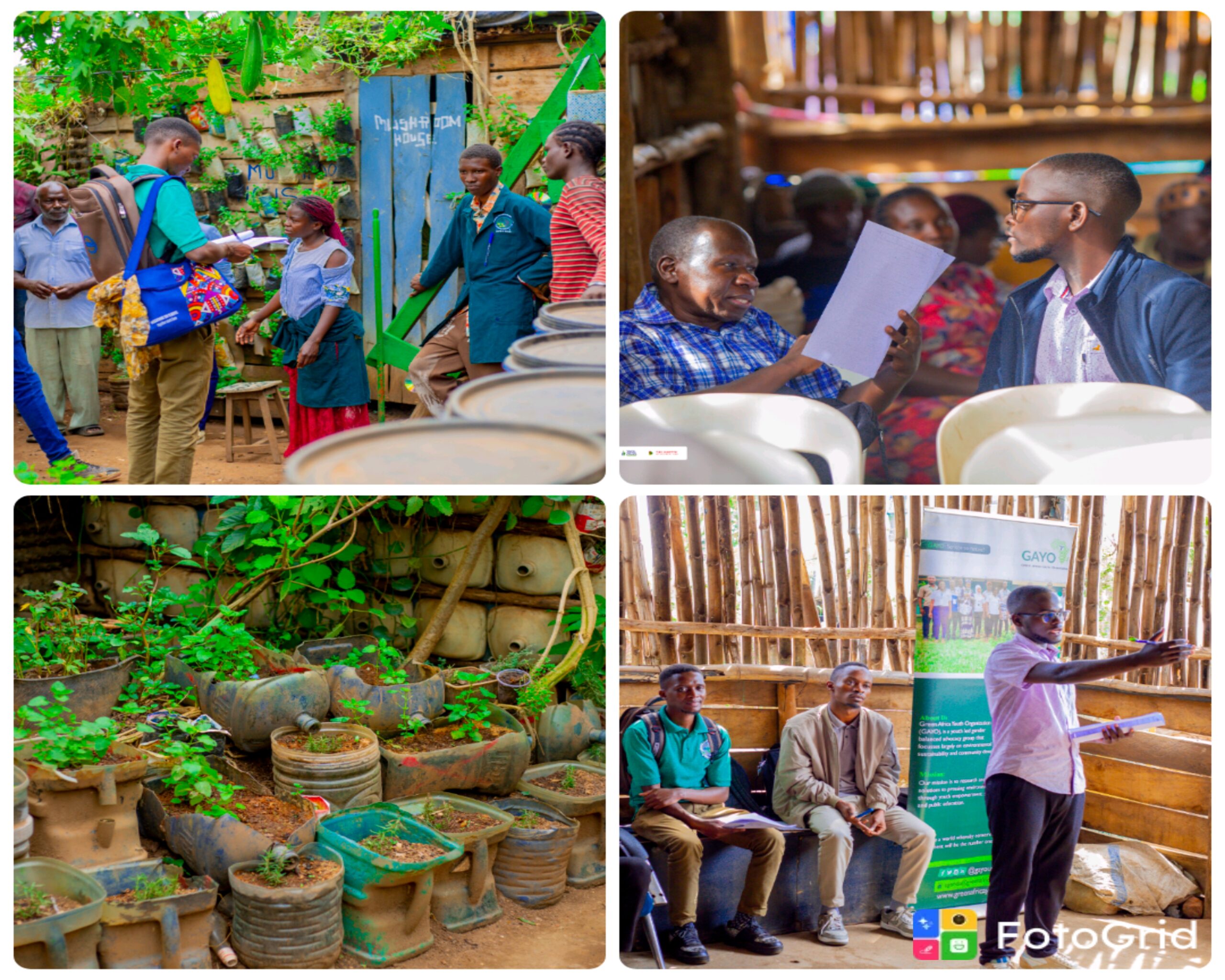
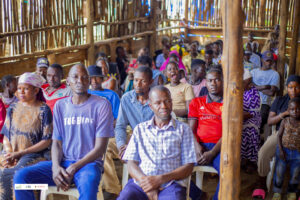
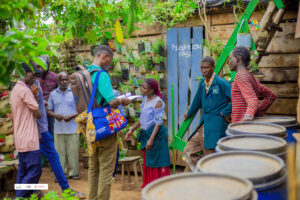
The Green Africa Youth Organization (GAYO) Uganda recently convened waste workers, youth innovators, recyclers, and community actors at the Ghetto Research Lab in Kamwokya for a community engagement focused on waste worker empowerment and a feasibility study on Black Soldier Fly (BSF) systems for sustainable organic waste management.
The engagement brought together grassroots actors already working on the frontlines of waste recovery and environmental action within their communities. Through participatory discussions, practical training sessions, and field-based learning, participants explored opportunities in waste segregation, recycling, occupational safety, material recovery, and circular economy systems linked to organic waste management.
For many informal waste workers in Kamwokya, waste recovery activities represent more than environmental interventions — they are critical sources of daily income and survival.
Community members shared how plastic collection, recycling, composting, and waste sorting activities are helping to support households while contributing to cleaner neighbourhoods and reducing pollution in the community.
Despite these contributions, participants highlighted persistent challenges facing informal waste workers, including unsafe working conditions, limited access to protective equipment, fluctuating market prices for recyclables, and inadequate institutional support despite the vital role they play in urban waste management systems.
A major focus of the engagement was an ongoing feasibility study examining the potential of community-based Black Soldier Fly systems as a sustainable solution for managing organic waste.
Black Soldier Fly farming uses insect larvae to break down food waste and organic materials, producing protein-rich larvae for animal feed as well as nutrient-rich organic fertilizer.
With Kampala generating large volumes of organic waste daily, decentralized BSF systems are increasingly being explored as practical circular economy solutions capable of reducing pressure on landfills while creating economic opportunities for local communities.
Discussions during the engagement centered on waste availability, operational feasibility, community readiness, market opportunities, and lessons from local practitioners already experimenting with organic waste recovery initiatives.
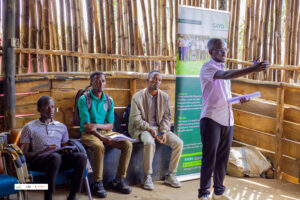
Participants expressed strong interest in scalable community-led solutions capable of simultaneously tackling waste pollution, improving sanitation, and creating green jobs for young people and informal waste workers.
The engagement also underscored the growing role of community-driven innovation in addressing urban environmental challenges.
Across Kamwokya, youth groups and local innovators are already implementing practical environmental solutions, including ecobricks, composting projects, recycling initiatives, and decentralized waste recovery systems.

According to GAYO Uganda, the engagement forms part of broader efforts to strengthen inclusive circular economy systems and support locally driven climate action initiatives that place communities at the centre of environmental solutions.
As cities across Africa continue to grapple with mounting waste management challenges linked to rapid urbanization and population growth, community-based approaches that invest in grassroots innovation are increasingly being recognized as critical pathways toward cleaner, more resilient, and more inclusive urban futures.
The conversations emerging from Kamwokya highlight a growing realization that many solutions to Africa’s waste and climate challenges already exist within communities themselves. What remains essential is sustained investment in local leadership, stronger partnerships, capacity building, and inclusive systems that empower communities not only to participate in change, but to lead it.
Source: www.climatewatchonline.com