
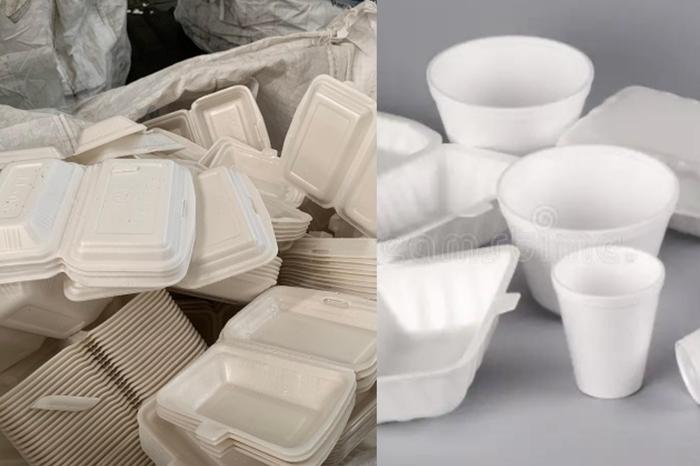
Accra, Ghana — Ghana is set to phase out the use of polystyrene foam products, commonly known as Styrofoam or takeaway packs, as part of a major national effort to reduce plastic pollution and promote environmental sustainability.
The Environmental Protection Authority Ghana (EPA), in a statement, announced that a nationwide ban on the production, importation, distribution, sale, and use of polystyrene foam products will officially take effect on January 1, 2027.
The directive forms part of the government’s broader environmental protection and waste management agenda aimed at tackling the growing challenge of plastic pollution, improving sanitation, and encouraging sustainable consumption practices across the country.
According to the EPA, the ban will apply to a wide range of expanded polystyrene foam products used for both commercial and household purposes. These include takeaway food containers, disposable cups and plates, packaging materials, insulation products, and certain foam-based consumer items.
However, the Authority noted that products specifically intended for medical, scientific, laboratory, and diagnostic purposes will be exempted, subject to regulatory approval.
The EPA described the move as a critical intervention to protect public health, preserve ecosystems, and safeguard the environment for future generations.
It emphasized that the policy is expected to significantly reduce plastic waste pollution, particularly in urban drainage systems, water bodies, and public spaces, while also promoting the adoption of safer and environmentally friendly alternatives.
As part of the transition process, manufacturers, importers, distributors, retailers, and consumers have been urged to begin shifting toward reusable, recyclable, and sustainable packaging alternatives ahead of the implementation deadline.
The Authority further announced plans to intensify nationwide stakeholder engagements, technical consultations, and public education campaigns over the coming months to ensure a smooth and effective transition.
To strengthen enforcement, the EPA said it would collaborate with Metropolitan, Municipal and District Assemblies (MMDAs), customs authorities, port officials, and other regulatory agencies to monitor compliance once the ban takes effect.
The Authority also appealed to the public to support the initiative by embracing environmentally responsible consumption habits and sustainable packaging solutions as Ghana works toward building a cleaner, greener, and more climate-resilient future.
Source: www.climatewatchonline.com